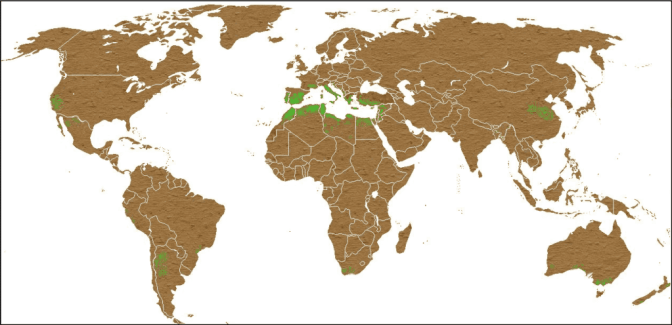
Imagine a fruit that has been carefully feeding civilisations for 8000 years, whose thousands of selective descendants are now scattered in certain parts of the world, but whose comfort zone is still associated with the Mediterranean… This blessing, which today is considered as a status symbol to be able to grow it in the best way and quantity, was named “eleiva” by the Etruscans as far back as we can go. When they gave this name, they meant the plant whose binomial name is now Olea europaea. Today, this plant continues to be cultivated in similar climates of the world such as Australia, New Zealand, North and South America and South Africa, as well as in the Mediterranean region.
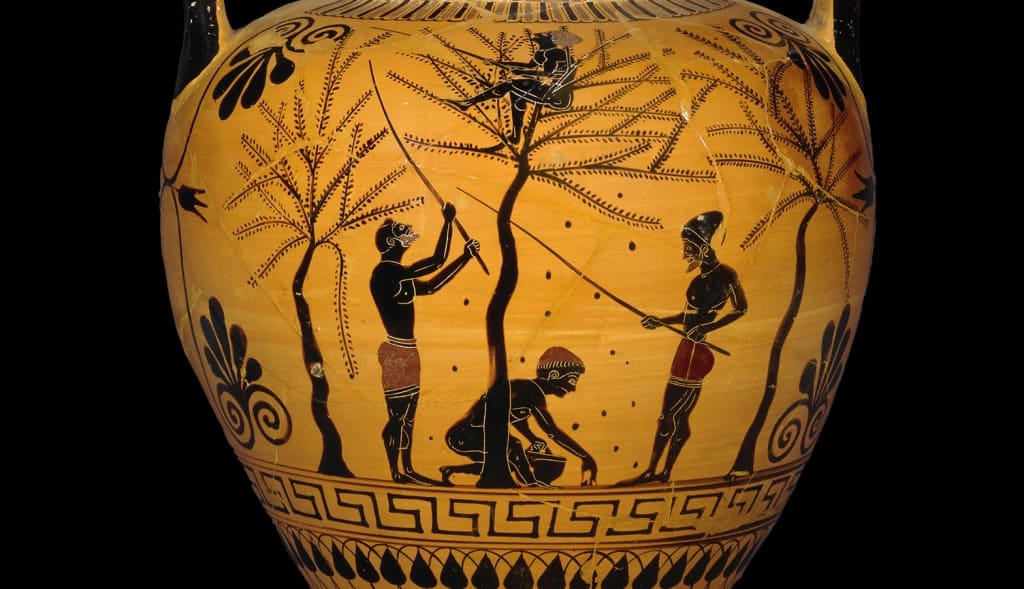
Spans from mythological epics and stories to ancient wall paintings & architecture and handmade products in the Mediterranean basin, the olive, which plays a major role in the trade of civilisations as well as enriching the kitchens, has been identified with the cultures of the peoples and has become a lifestyle. In historical periods, it has had a great place in the culture and life of civilisations such as Ancient Greek civilisations, Persians, Roman Empire, Carthage State, Byzantine Empire, Ottoman Empire and Kingdoms placed in Iberian Peninsula.
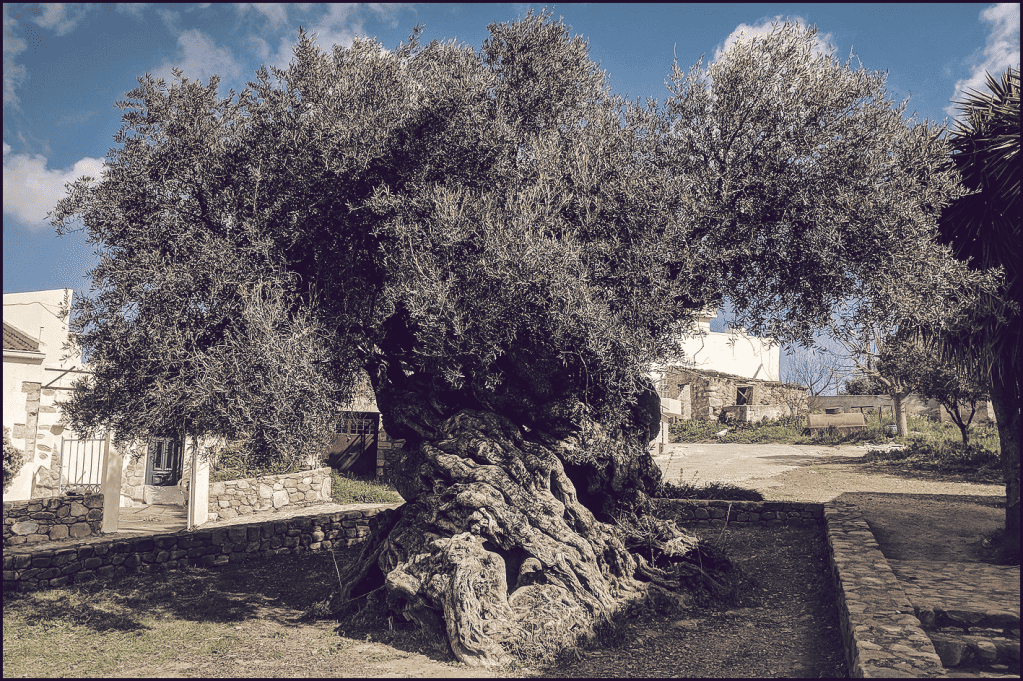
Regardless of the region, if you have taken a little stroll along the Mediterranean coast, it is unlikely that you have not come across olive trees. You are likely to have come across very old olive trees that could give a history lesson if they could talk and are renowned for their appearance. The age of these veterans, whose fruit yield has decreased considerably, can usually reach up to 500 years old. By the way, the age of the world’s oldest olive tree, the “Olive tree of Vouves” on the island of Crete (belongs to Greece) is estimated to be between 2000-4000 years old. Don’t ask what kind of a date range this is, since the heartwood of the tree was deformed over the centuries, a clear age could not be determined, but ring samples showed that the tree was at least 2000 years old. This is a real heritage, isn’t it?
The oil produced from olives has not only been associated with health benefits throughout history, but has also found its place in the production of various products and in various uses. There is a reason why it was chosen as an oil product, about % 20 to % 30 of its weight consists of oil. While olive production in the world is mostly done for its oil, traces of the production for eating purposes were first encountered on the island of Crete around 3500 BC, as far as we know.
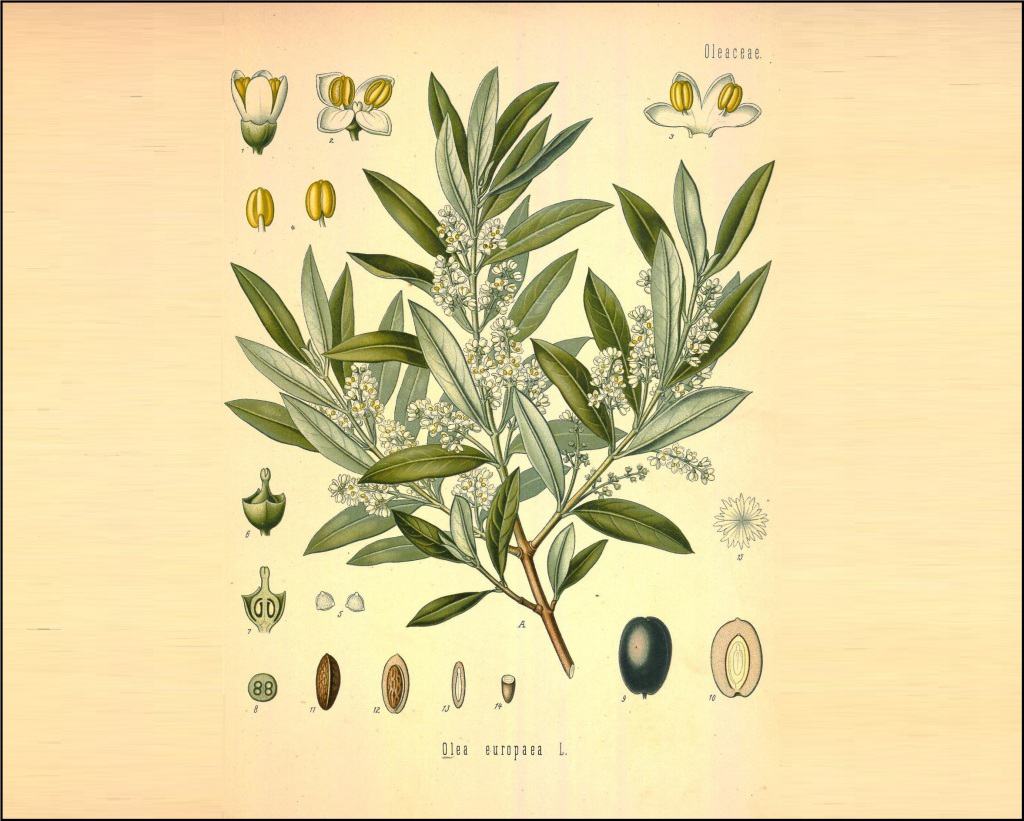
Olea europaea, basically the olive tree, has its own demands in response to our wishes such as growing, providing fruits with high yields and high oil content and lasting for many years. Especially in the Mediterranean basin, where these demands are met, there are mild winters and hot, dry summers and a climate where the temperature varies between 21-27 °C during the phase when the fruit begins to develop. Also, dry, calcareous/clay-rich soils rich in organic matter. Of course, it is not only these. Careful maintenance and plenty of attention throughout the year…
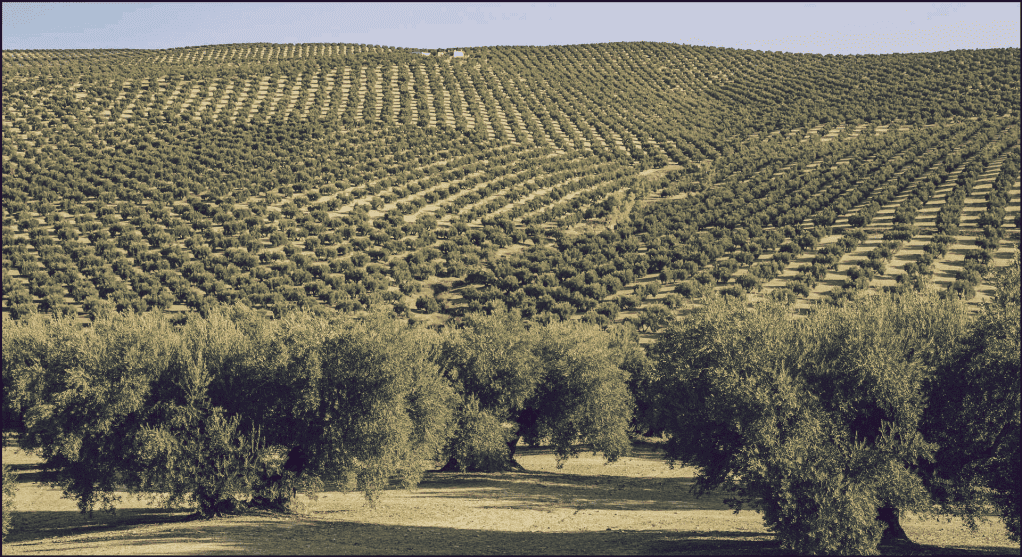
Today, you can see a lot of olive cultivation in the countries like Spain, followed by Italy, Morocco, Turkey and many other countries overlooking the Mediterranean basin.. Of course, there are also “olive provinces” that are famous for their olives or olive oil and have identified their culture with olives: like, Gemlik in Turkey, Puglia in Italy, Jaen in Spain and many more.

 Popular Geography